Preschool that grows alongside your 3-year-old.
Three is the year imagination explodes — pretend play takes over, friendships form on purpose, and letters and numbers start clicking. Our preschool day is structured around that natural arc, with a 1:7 ratio so your child gets attention and the social practice that turns into kindergarten readiness next year.
Schedule a Tour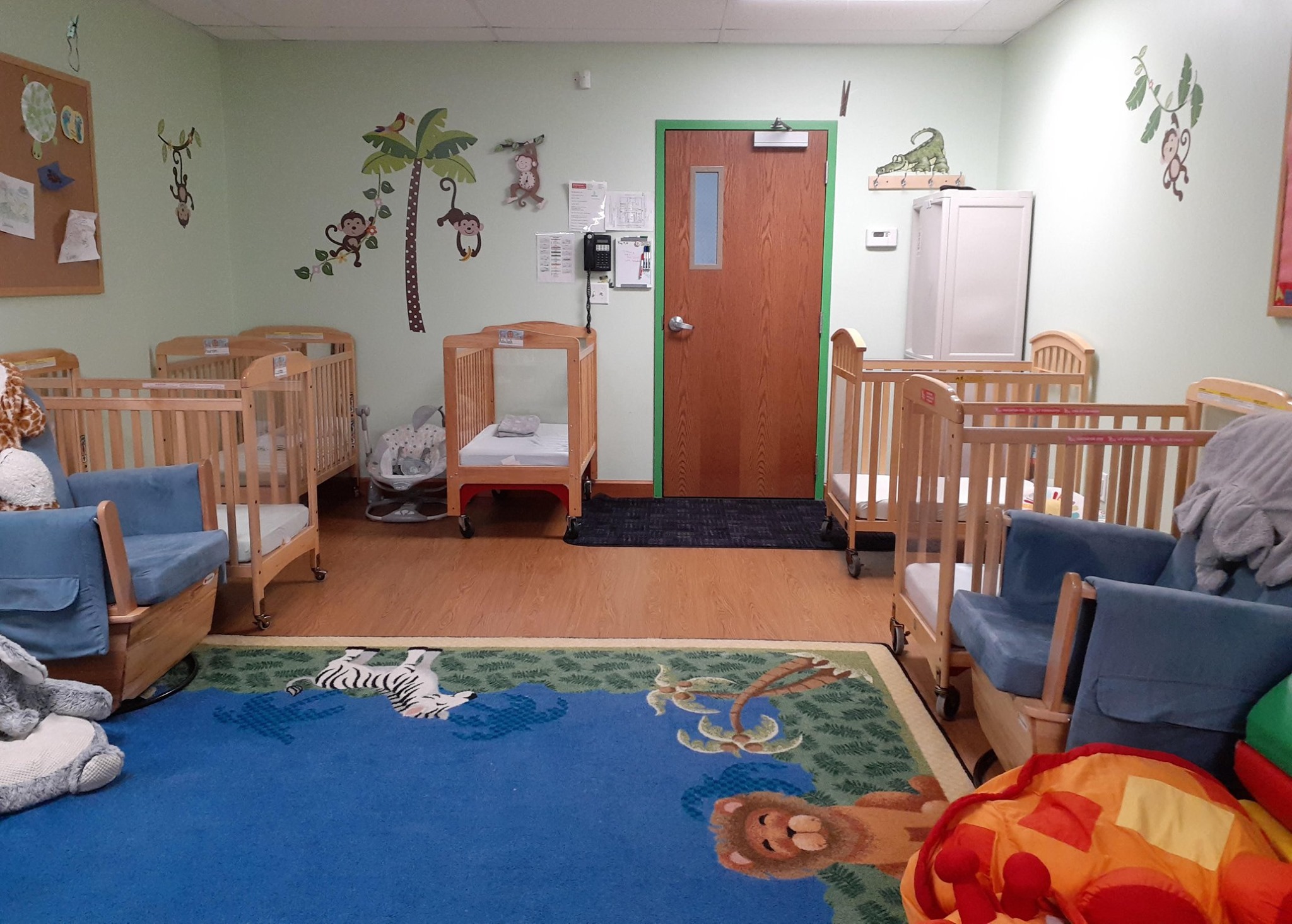
Ratio
1 teacher : 7 preschoolers
Age range
3 years
Building
Main building
Meals
Breakfast · Lunch · 2 snacks
Everything that comes with our preschool program.
1:7 teacher-to-child ratio
Letters, numbers, and pre-writing skills introduced through play
Daily art, music, and storytime
Social-skills foundation: turn-taking, conflict-resolution, group routines
Outdoor play on our age-appropriate playground
Breakfast, lunch, and two snacks included
What makes our preschool program work.
Three is the year imagination takes over. Pretend play, which the research calls some of the most important cognitive work a young child does, becomes the dominant activity. Friendships form on purpose for the first time — three-year-olds choose specific kids to play with, hold preferences, and start the social-emotional work of turn-taking, sharing, and conflict resolution. Letters and numbers start clicking, but only when they are introduced through play and meaning, not through worksheets.
Our preschool classroom is built around the developmental science of this age. We introduce letters through the kids' own names, through favorite books, through labeling things in the room — not through drilled flashcards. We introduce numbers through cooking, snack-time math, building, board games, and puzzles. The 1:7 ratio means a teacher can sit with a small group for a full activity rather than triage. The room is rich with provocations — interesting materials set out invitingly so kids can choose to engage.
Our teachers are trained in what the early childhood field calls scaffolded play: joining a child's pretend scenario, extending it, asking the question that pushes their thinking one notch further, then stepping back. That is what builds executive function in three-year-olds, and executive function at three is one of the strongest predictors of school readiness at five.
What a preschool day actually looks like.
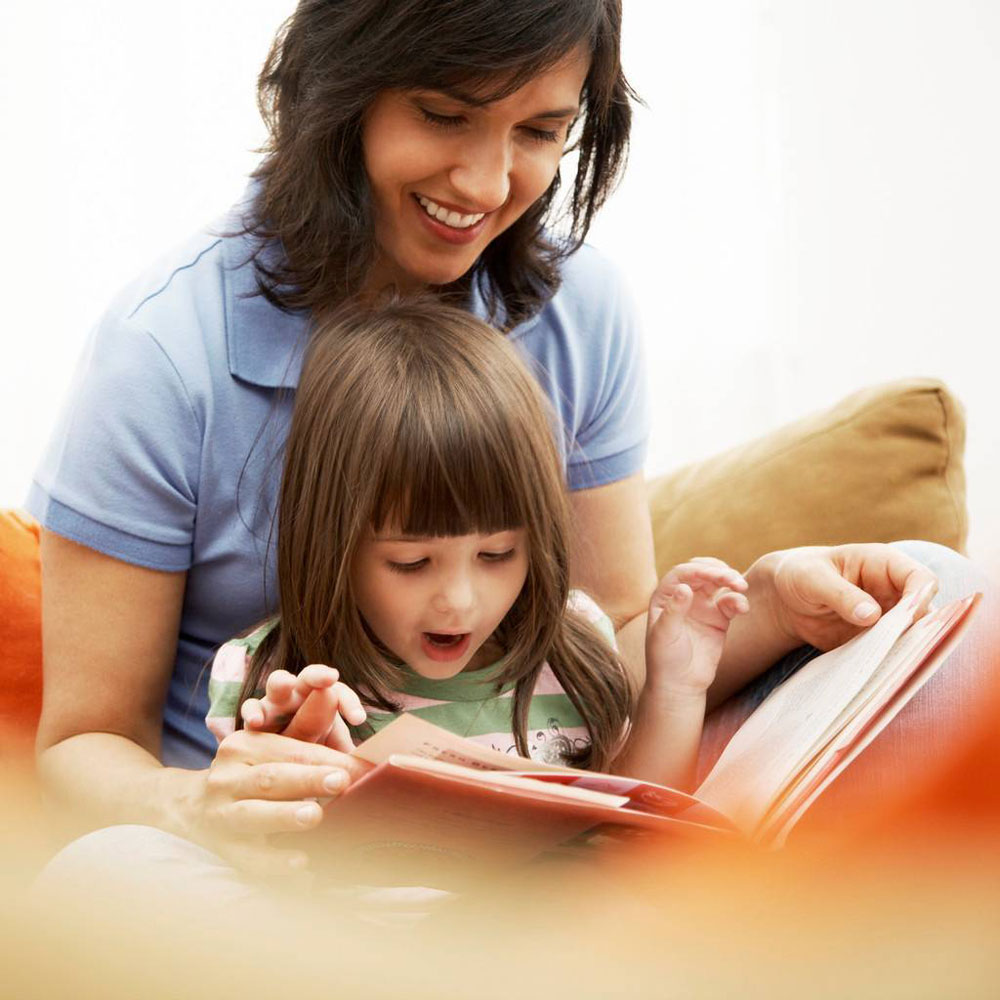
Preschool days at Kandyland start with breakfast and a soft welcome — kids hang up their coats, find their cubby, choose a quiet morning activity. After breakfast comes morning meeting: songs, the calendar, the weather, a short read-aloud, and a preview of the day.
From there, the morning is a long stretch of choice time with teacher-led small groups happening inside it: a small group might do a letter-recognition activity at one table while another small group cooks pretend soup in dramatic play and a third paints at the easel. The teacher rotates, joins, scaffolds, then steps back. Outdoor time on the age-appropriate playground is built into every morning weather permitting.
Lunch is family-style at low tables, with teachers eating with the kids and modeling conversation. Quiet time follows — most three-year-olds still nap, some rest with a book. Afternoons are calmer: art projects, story time, small-group games, sometimes a special activity (a science exploration, a music visit, a baking project). Snack and another outdoor block before pickup.
Across the whole day, your three-year-old is reading more, counting more, problem-solving more, and getting tired in the right ways.
Why Niagara County families choose our preschool program.
The Lockport, Pendleton, and Starpoint families who pick our preschool tell us they did so because we were honest about not being a sit-still-and-do-worksheets program. They were not looking for a worksheet center. They were looking for a place where their three-year-old could be three and still leave kindergarten-ready.
The combination of structure (predictable routine, small-group skill work) and freedom (long blocks of choice play, real materials) is what they kept describing on tour. They also tell us the food matters — breakfast, lunch, two snacks, all included, all real food, no extra packing. The age-separated playground matters: three-year-olds get a playground built for them, not the school-age side.
And the 1:7 ratio, again, means your child is genuinely seen by their teacher every single day.
Common preschool questions.
What are your teacher-to-child ratios?
Infant 1:4, Toddler 1:5, Preschool 1:7, Pre-K 1:8, School Age 1:10. We meet or exceed every NY OCFS minimum, and real-world ratios are usually better.
What's your sick policy?
Children with a fever over 100°F, contagious illness, or two or more episodes of vomiting/diarrhea need to stay home for 24 hours after the last symptom. Full policy in the parent handbook.
Schedule a preschool tour.
30-minute private tour. No sales pitch. Most parents enroll within a week.